Greensboro rewards anyone willing to pick up a shovel and get a little dirt under the nails. The soil here runs clay-heavy, the summers press hot and often humid, and the shoulder seasons bring just enough volatility to keep gardeners honest. That’s not a complaint. It’s a canvas. With a bit of planning, a Saturday and Sunday can transform a front walk that never earned a second glance into a small moment of wonder, or turn the blank rectangle behind the house into a space where you actually want to linger past sunset.
What follows isn’t theory pulled from a catalog. It’s a set of projects that I’ve watched succeed across neighborhoods from Lindley Park to Lake Jeanette, using plants and materials that actually behave in the Piedmont. You can do each one in a weekend without heavy equipment, and they deliver the kind of before-and-after that neighbors notice by Monday morning. If you prefer to hire help, you’ll know what to ask for, and you’ll have a sharper eye for the best landscaping in Greensboro NC for your situation.
Start with reality: site, soil, and season
Greensboro sits in USDA Zone 7b to 8a, which sounds like a minor distinction until you watch a marginal plant croak after a late March cold snap. Our red clay holds water after hard rain, then bakes like brick a week later. That combination punishes shallow-rooted plants and rewards anyone who amends wisely and chooses species for the long haul.
Walk your property at different times of day. Notice where afternoon sun lands hardest and where tree canopies diffuse it. Track water by watching where puddles linger after a downpour. This five-minute reconnaissance will steer every decision. If you have mature oaks along the street, you own a dry shade microclimate that calls for specific understory champions. If your backyard slopes toward a fence line, you have an opportunity for a rain garden rather than a muddy trough.
The season matters. Spring and fall are best for planting here, but fast-rooting perennials and shrubs can handle summer if you water with intent during the first two weeks. Winter handles hardscape well, with cooler temps that make stone work pleasant and turf dormant underfoot.
Weekend project 1: revive the front walk with a mixed border
If you’ve got the classic Greensboro setup, a straight concrete path runs from sidewalk to stoop, flanked by tired liriope and a few azalea soldiers. You can resuscitate the whole approach without ripping out the walk.
Day one, strip the edges clean. Remove the liriope clumps with a spade, chasing out runners. Loosen a 24 to 30 inch strip of soil on each side, then blend in two inches of compost and a shovel of pine bark fines per linear foot. In our clay, that bark keeps structure open longer than compost alone. Skip peat moss, which collapses here.
Plant in drifts rather than punctuation. Use three to five of a kind for rhythm. On the sunny side, try a low evergreen backbone like dwarf yaupon holly, Illex vomitoria ‘Micron’, spaced 18 inches apart. In front, tuck in threadleaf coreopsis and a few clumps of dwarf fountain grass for movement. Add color swings that don’t scream: daylilies like ‘Happy Returns’ will bloom their hearts out in Greensboro with almost no fuss, then cut them back mid summer to keep things tidy.
Shade or dappled light calls for different players. Hellebores offer winter bloom and leathery leaves all year. Ferns like autumn fern give coppery flushes in spring. Hostas take the holes if deer traffic isn’t a problem in your neighborhood. If deer do roam, switch to cast iron plant, aspidistra, which survives heat, drought, and neglect, and looks upscale against brick.
Finish with a crisp edge. You don’t need expensive stone. A concealed steel or aluminum edging strips the lawn away from the bed for a clean line that lasts. Mulch with pine straw if you prefer the regional look, or double ground hardwood if you want a darker, more formal vibe. Avoid thick blankets of mulch in summer, which can suffocate shallow roots and invite fungal issues. Two inches is enough.
A footnote from experience: resist the urge to wallpaper the bed with annuals. Tuck pockets of seasonal color near the stoop where you actually see them, and let the perennials pull most of the weight.
Weekend project 2: a small patio that feels like a destination
Greensboro backyards often have a patio poured years ago, undersized for actual living. You don’t need to start over. A satellite patio set 10 to 20 feet away creates a second room and, more important, a reason to move through the yard.
Pick a spot with morning sun and afternoon shade if possible. You want to enjoy coffee without baking by dinner. Lay out a 10 by 12 foot rectangle with string and stakes. Cut the turf with a flat shovel and peel it up in strips. Dig down four inches, then add a two to three inch base of compacted granite fines, known locally as screenings. Do not use pea gravel under pavers, it rolls and never compacts. Wet the screenings lightly and tamp until firm.
Lay large-format pavers or stepping stones with two inch joints. Greensboro’s freeze-thaw isn’t as aggressive as the mountains, so with a proper base, stones stay put. Sweep in screenings to lock the set. If you like a more organic look, skip tight joints and plant creeping thyme in the gaps.
Border the patio with a low mixed hedge to give a sense of enclosure. Two or three inkberry hollies, Ilex glabra ‘Shamrock’, on one side and a trio of hydrangea paniculata on the other frame the space without boxing it in. If you want seasonal drama, plant a single Japanese maple within reach of the seating. Acer palmatum ‘Bloodgood’ tolerates Greensboro heat with afternoon shade and delivers a red plume that anchors the whole yard.
A string of bistro lights on cedar posts instantly stretches the evening. Use 4x4 posts sunk in concrete footings, not surface-mounted brackets, which wobble after the first storm. Run a smart plug on a photo sensor for no-brainer timing. You’ll use the space more than you expect simply because it’s inviting after dark.
Weekend project 3: tame drainage with a pretty rain garden
Clay soil turns rainfall into runoff. If your side yard channels every storm toward your neighbor’s fence, you can turn a problem into a water-wise focal point. This project does more than look good. It slows water, filters it through roots and soil, and reduces the volume that heads to the storm drain.
Stand out in the rain once and watch where the water travels. The rain garden belongs at the low spot, not up near the gutter. Aim for a shallow basin 6 to 8 inches lower than the surrounding grade, with gently sloped sides. Size it based on roof area and soil absorption. In heavy clay, a 100 square foot basin handles roughly 500 to 800 square feet of hard surface in a typical Greensboro downpour. You’re not building a pond; water should drain within a day.
Excavate and set soil aside. Blend in compost and coarse sand to improve infiltration. Create a berm on the downhill side with the removed soil, tamped and shaped like a crescent. Line the incoming flow path with cobbles or river rock to slow the water and prevent erosion.
Plant for your wet-dry swing. The center can handle inundation for a few hours. Blue flag iris, Louisiana iris, cardinal flower, and soft rush thrive there. The sloped edge wants tough perennials that handle both moisture and occasional drought. Think echinacea, black-eyed Susan, and little bluestem. Add a few shrubs for structure: sweetspire, Itea virginica, offers fragrant spring bloom and burgundy fall color, and it handles wet feet better than most. Finish the spillway with more stone, so heavy rain exits gracefully without cutting a trench.
It’s functional, but it also looks like a designed garden. Neighbors will ask questions, and you’ll catch yourself checking it during a storm with a grin.
Weekend project 4: instant curb appeal with containers that belong
Containers deliver the fastest reward for the least excavation. The trick is proportion and placement. Too-small pots look like a missed opportunity, especially against a brick facade. Choose two to four large containers, 20 to 24 inches across, and group them where your eye naturally lands: the foot of the front steps, the corner of the garage, the edge of the patio.
Skip potting soil straight from the bag if it’s heavy and peat-rich. In Greensboro heat, it compacts by midsummer. Blend it with pine bark fines and a handful of perlite for air pockets. Pre-wet the mix so it holds moisture evenly from the start.
Design in threes: a structural evergreen, a seasonal bloomer, and a spiller. In sun, dwarf rosemary trimmed like a tiny standard provides backbone and scent, with calibrachoa or lantana for color and sweet potato vine to spill. In shade, use an upright fatsia or dwarf boxwood, tuft white impatiens for bloom, and trailing creeping Jenny. Feed lightly every two weeks in the growing season, then flush pots with clear water once a month to prevent salt buildup. In winter, swap annuals for pansies and violas. They shrug off frost here and carry color from November to April.
Containers also buy time. If you plan to renovate the whole foundation bed next year, use pots now to break up the monotony and test colors against your brick or siding. You’ll learn what you actually enjoy before committing to dozens of in-ground plants.
Weekend project 5: a low-maintenance, high-payoff lawn edge
The edge where turf meets bed attracts clutter. Overgrown grass flops into perennials, mulch migrates onto the lawn, and mowing becomes an art of avoidance. A defined, permanent edge calms everything down.
If you like the classic Piedmont look, a brick soldier course set flush with the lawn creates a dignified border. Use salvaged brick to match older homes, or buy new for a sharper line. Dig a trench the width of your brick plus two inches, four inches deep. Add an inch of screenings, level, and set bricks side by side with their long faces showing, tapping them into place. Backfill against the bricks on both sides. The mower rides the brick, saving you the weekly trim pass.
If modern clean lines suit the house, steel edging disappears visually and holds a curve perfectly. Drive stakes on the bed side, not the lawn side, to avoid catching the mower. In either case, landscaping edge once with a spade after installation to reset the line, then let the border do the heavy lifting.
I’ve replaced plastic edging too many times to recommend it. UV and trimmer strings chew it up, and Greensboro summers warp cheaper products into shapes you didn’t intend.
Plants that actually behave in Greensboro
A trip to a big-box garden center can lead you astray if you shop by bloom alone. The plants below have proved honest in local soil and weather. They won’t all fit every yard, but they give you a reliable palette.
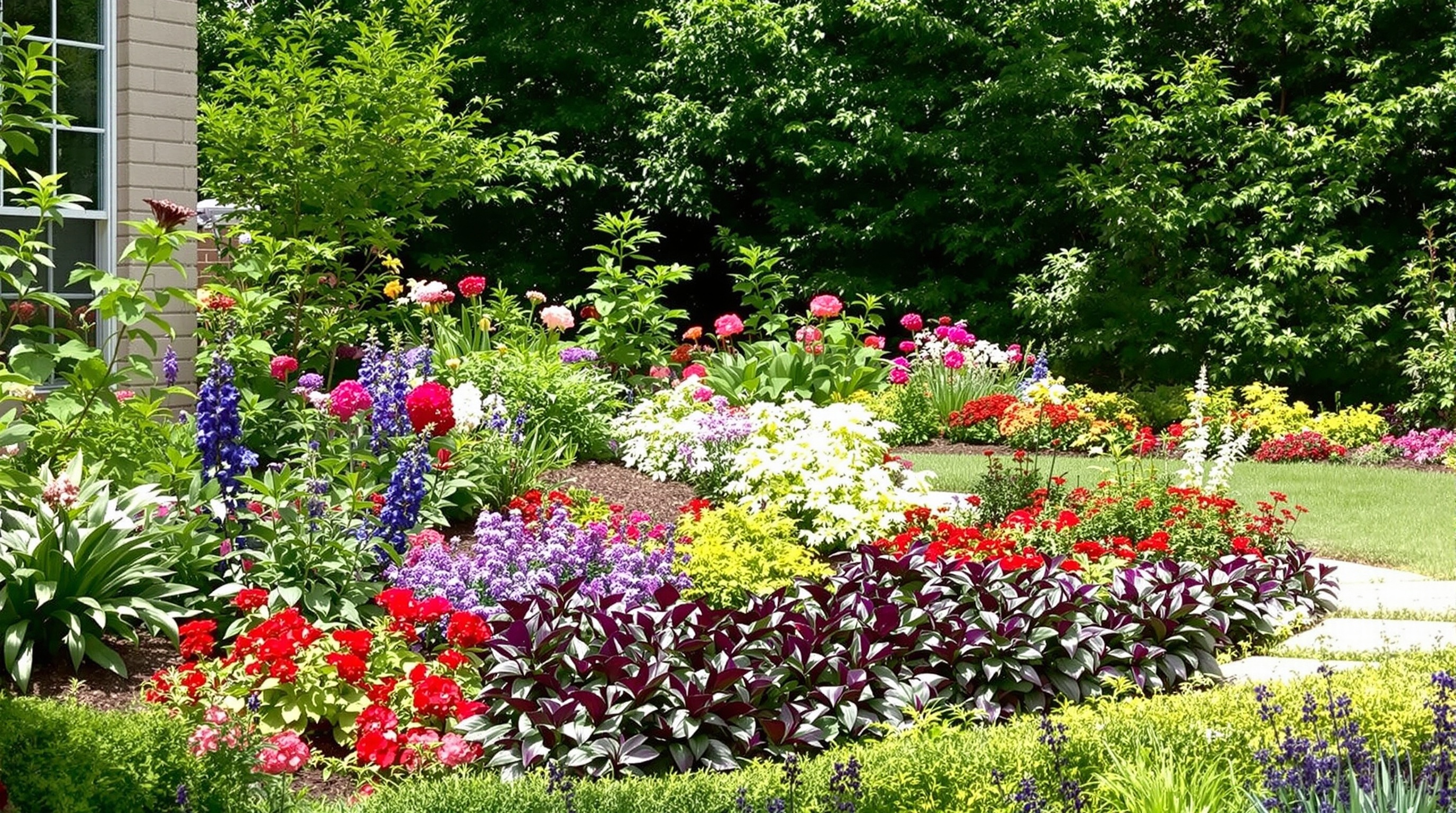
- Evergreen bones that stay modest in size: dwarf yaupon holly, inkberry holly ‘Shamrock’, Otto Luyken laurel, nandina ‘Firepower’ if you avoid berry-heavy types near bird habitat. Sun perennials with stamina: coreopsis ‘Zagreb’, daylily ‘Happy Returns’ or ‘Stella de Oro’, salvia ‘Caradonna’, echinacea in the 18 to 24 inch range, agastache for pollinators. Shade stalwarts: hellebores, autumn fern, cast iron plant, Japanese forest grass for bright spots, oakleaf hydrangea for structure and fall color. Ornamental grasses that don’t take over: little bluestem, dwarf miscanthus like ‘Adagio’, muhly grass for a late-season pink haze. Small trees that love the Piedmont: crape myrtle in the 8 to 12 foot class, Chinese fringetree, serviceberry, and Japanese maple cultivars with heat tolerance.
Notice what’s missing: aggressive spreaders and water hogs. Skip English ivy near trees, and be wary of running bamboos unless you commit to containment trenches. Our climate favors vigor. That’s good until a plant claims the whole bed by July.
Mulch, water, and feeding, the Greensboro way
Mulch matters as much as plant choice. Pine straw is abundant and ties visually to the region. It knits together on slopes and hides winter’s dormancy well. Hardwood mulch reads more formal and can help suppress weeds longer, but it also floats in heavy storms. If your beds sit near a downspout, use a coarser bark at the outlet or pocket a ribbon of river rock to shoulder the splash.
Water smart, especially during the first two weeks after planting. In our heat, plants need deep, infrequent soaking rather than daily sprinkles that barely dampen mulch. A slow hose set for 20 to 30 minutes at the base of new shrubs does more good than 5 minutes every day. Early morning beats evening for disease prevention. Once plants root, back off. Overwatering in clay suffocates roots faster than drought.
Feeding: Greensboro’s soil tends to run acidic, which many landscape plants enjoy. A spring application of a slow release, balanced fertilizer at half strength for perennials, and a light dose for shrubs, is plenty. Camellias and azaleas in particular appreciate an acid-forming fertilizer right after bloom. Don’t fertilize stressed plants in midsummer heat. Focus on water and mulch instead.
A quick pathway that transforms how you use the yard
If you always cross your lawn along the same diagonal, honor it with a path. Even a two-foot-wide ribbon of stepping stones changes circulation and makes the yard feel considered. Use large, flat stones set into screenings, as in the patio project, or pour a line of modern concrete steppers with timber forms. Tie the path to something: a gate, a bench, a small herb bed tucked near the kitchen door.
Plant low along the path edges so the stones remain partly visible. Creeping thyme or dwarf mondo grass softens without swallowing. Where the path threads past the utility meter or AC unit, screen with a clump of ornamental grass rather than a solid wall. Maintenance requires access, and air conditioners need airflow. Aim for beauty that doesn’t sabotage function.
Night lighting that pulls your eye to the right places
Greensboro’s summer nights invite lingering. A few well-placed lights stretch your yard’s usefulness and make everything feel composed. Focus on three areas: safety, focal points, and subtle wash.
Low, shielded path lights at critical steps prevent missteps without the runway look. A single up-light on a crape myrtle or Japanese maple turns it sculptural against the sky. A warm wash on the brick facade near the entry gives depth and keeps the porch from sitting as a black hole. Use 2700K warm LEDs, not the cold blue you’ll regret, and aim lights carefully to avoid glare through windows and into neighbors’ yards.
If you’re installing a compact system yourself, a small transformer with room to grow and 12 gauge cable will save you headaches. Waterproof connections with gel-filled wire nuts, then bury cable shallowly along bed lines. The work goes fast, and the result shifts how you feel about the yard after sunset.
What to skip when you want instant impact
Impulse buys whisper from spring displays. Resist a few common mistakes that add chores without adding joy.
Water features seem romantic until you spend Sunday scrubbing algae. Unless you love tinkering, skip standalone fountains that bake in afternoon sun. If sound is what you crave, a small wall-mounted spout over a hidden basin in shade gives you the effect with less maintenance.
White gravel beds read clean the day they go in, then turn into leaf traps under Greensboro’s trees by October. You’ll spend fall vacuuming rocks, and that gets old.
Scale matters. Tiny shrubs planted eighteen inches off the foundation will look swallowed by year two or three. Give even small evergreens two feet of breathing room from brick, so they can grow without perpetual pruning.
Finally, plastic weed barrier fabric under mulch doesn’t stop weeds in the long run. Seeds blow in and root in the mulch on top, while the fabric interferes with water exchange and soil life. Use mulch and hand weeding, and invest in dense planting that shades soil instead.
When to call a pro, and how to choose the right one
Plenty of homeowners in Greensboro enjoy tackling landscaping themselves, and these weekend projects fit that spirit. Some jobs, though, deserve a specialist: retaining walls taller than two feet, major grading that affects drainage, and electrical runs for complex lighting. If you decide to bring in help, look for landscaping Greensboro firms that feel like partners, not vendors. Ask to see work installed more than two years ago, not just fresh photos. Greensboro’s summers separate the durable from the disposable.
Confirm how they handle soil prep in clay. If the answer is a generic “we’ll add topsoil,” keep asking. The best landscaping in Greensboro NC knows to amend existing soil rather than capping clay with loam that turns into a perched water table. Ask who will be on site, not just who will sell the job. Finally, discuss maintenance expectations. A design that needs weekly fussing might look good for a magazine shoot, then become a burden by mid July.
Two-day blueprint: a realistic weekend schedule
If you’re eager to hit the ground running and want a simple sequence that fits in a single weekend, here’s a lean plan that strings several of these ideas together without overreaching:
- Saturday morning: front walk revival prep. Strip edges, amend soil, set edging. Saturday afternoon: plant the border and mulch lightly. Install a pair of large containers at the steps and pot them up. Sunday morning: build the small patio with screenings and large stones. Plant three shrubs to frame it. Sunday late afternoon: run a short string of bistro lights and set a timer. Water deeply and put tools away.
By Sunday night, you’ll have a new scene out front and a reason to carry a glass of iced tea out back after dinner.
What Greensboro gives back when you do it right
A well calculated weekend changes your relationship with the house. The front walk tells visitors they’re expected and welcome. The patio shifts dinner outdoors on any evening that dips under 80 degrees. The rain garden collects a storm and gives you something to watch besides the radar. Containers by the entry turn a quick exit into a pause to deadhead a bloom, which is exactly the kind of pause that makes a place feel like yours.
Landscaping in Greensboro NC rewards patience, but it also pays off fast when you pick projects that punch above their weight. Respect the clay, make friends with heat-tolerant plants, and choose materials that age gracefully. Whether you DIY or bring in help, favor ideas that build momentum, not maintenance. When the yard starts to invite you out rather than nag you for chores, you’ll know you found the balance.
And if you catch yourself taking the long way to the mailbox just to stroll the new path, that’s not an accident. That’s design doing its quiet work.